
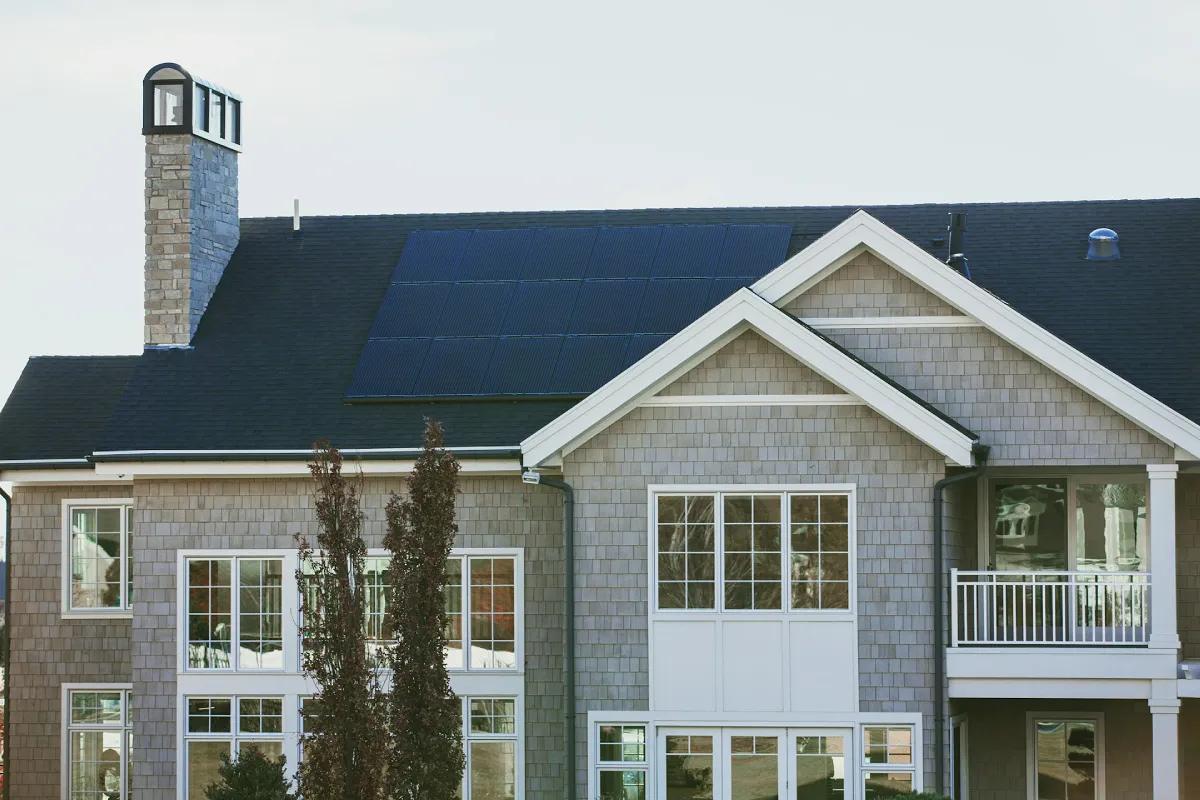

Energy bills jumped over 7% last year alone. US homeowners are fed up with paying more every single month. Much of that increase is being driven by factors outside your control, which is exactly why electricity bills have been rising sharply across the U.S. recently.
It’s the main reason why people are searching for the best solar panels for home. That’s why residential solar is selling faster than ever before.
Our team has analyzed a wide range of solar panel models and manufacturer specifications across major residential brands and installation configurations. Our goal is simple: help you find the best setup for your home.
Some homeowners report annual savings exceeding $2,400 depending on location and usage patterns. In favorable markets, long-term savings can exceed $60,000 over a system’s lifetime (EnergySage). Some save even more depending on where they live.
In this post, we’ll cover the top 7 panels on the market today. You’ll see real costs, honest reviews, and ROI by state.
You may have heard the residential Section 25D solar tax credit for directly owned systems expired at the end of 2025. However, some solar lease and PPA providers may still qualify for applicable federal commercial energy incentives under Section 48E through 2027 (Source: Solar.com – Federal Solar Tax Credit).
We’ll explain how modern solar lease and PPA structures may help eligible homeowners reduce monthly electricity costs, depending on location, utility rates, financing terms, and system configuration.
If you’re confused about how a business credit (48E) helps a homeowner, you aren’t alone. Our 2026 Federal Solar Tax Credit Survival Guide provides a general educational overview of IRS Safe Harbor guidance and outlines questions homeowners may consider asking solar providers about incentive-related pricing.
Disclosure: This post is supported by our readers. As an Amazon Associate, we earn from qualifying purchases at no extra cost to you. If you click a link and make a purchase or book a consultation, we may earn a small commission. This helps keep our expert testing and independent research possible.
Table of Contents
- How We Tested & Ranked the Best Solar Panels
- Types of Solar Panels: Which is Right for Your Roof?
- 7 Best Solar Panels for Home
- Solar Panel Costs, Savings & ROI Calculator
- Federal & State Solar Incentives
- Step-by-Step Home Solar Installation Guide
- Pros, Cons & Common Mistakes
- Frequently Asked Questions
How We Tested & Ranked the Best Solar Panels
Not all solar reviews are equal. Some sites just list specs from a brochure. Our team digs deeper. Here’s exactly how we pick the winners.
Testing Criteria
We test lab efficiency first. That tells you how much sunlight a panel converts to power. But lab numbers don’t always match real-world output.
So we also check field performance scores. We use the Kiwa PVEL Scorecards—trusted industry benchmark—to check for PID resistance and UVID (UV-induced degradation).
Temperature coefficient matters too. On a hot summer day, your roof can easily hit 150°F. While standard panels lose efficiency at a rate of -0.40%/°C, top-performing panels can maintain efficiency losses as low as -0.24%/°C. High-efficiency solar panels from the top brands handle heat far better than budget options.
Data Sources
We reference widely recognized industry benchmarks and manufacturer-reported performance data where available. Our recommendations are backed by the Q1 2026 BloombergNEF Tier 1 list to ensure manufacturer bankability, along with DNV certifications and the latest NLR performance reports.
These sources are widely used by global banks and utilities. Manufacturer financial stability is considered alongside performance, warranty, and installer availability in our evaluation process. We’re here to ensure your investment lasts 25 years, not 5.
What Makes a Panel ‘Best’ for Homes
To make our “Top 7” list, a brand must clear three high bars. If they fail even one, they are out.
- Efficiency of 23% or Higher: With advanced technology like TOPCon and HJT cells, 23% is the new baseline for “High” performance.
- 25+ Year Comprehensive Warranty: This must cover both the product (defects) and the power output (performance).
- US Service Infrastructure: Any brand we recommend must have a proven track record of supporting warranty claims through vetted US installers. If a company doesn’t have a real presence in the US to fix a problem in 2035, they aren’t on this list.
Types of Solar Panels: Which is Right for Your Roof?
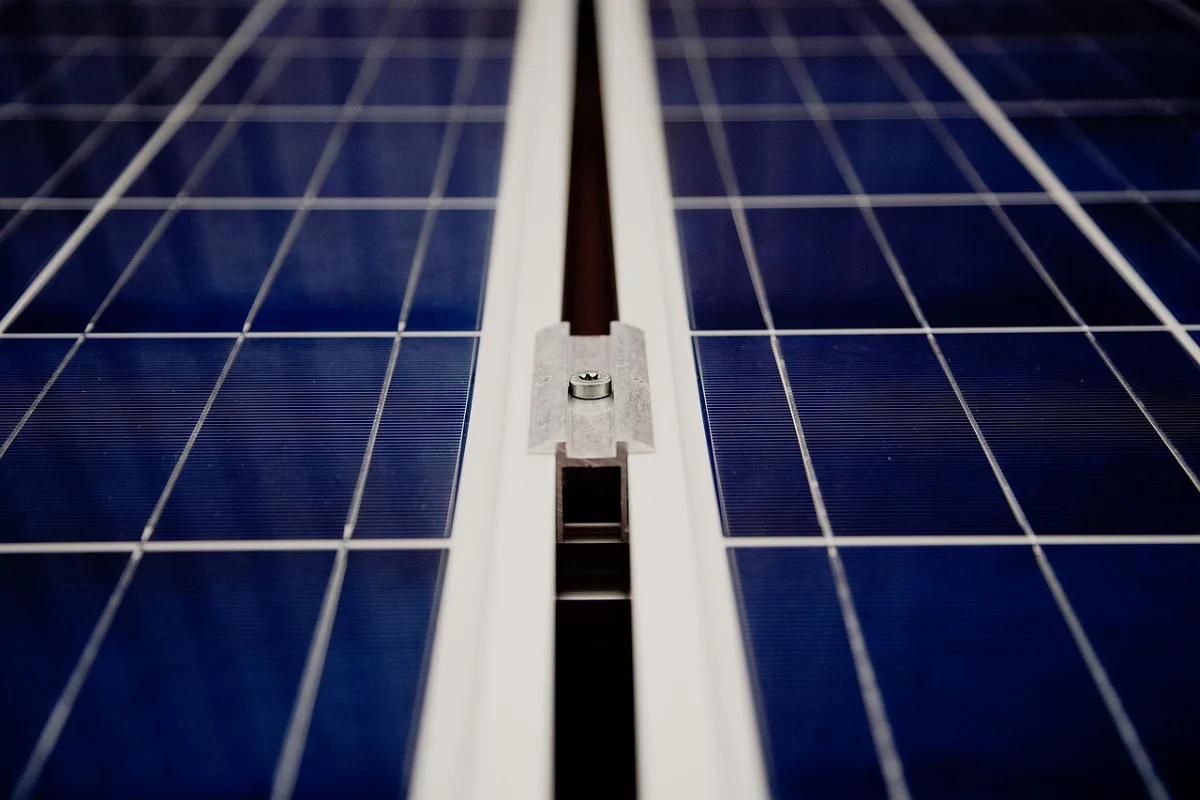
Walk into any solar showroom and you’ll see three main types. Each works differently. Let us break it down so you pick the right one for your specific roof.
Monocrystalline (The Professional Standard)
Monocrystalline panels are the preferred choice for most residential solar systems. They use a single high-purity silicon crystal, which lets electrons flow with minimal resistance. The result: more power from less space.
For a deeper breakdown of performance, degradation rates, and long-term ROI differences, see our guide on Monocrystalline Solar Panels: Efficiency & ROI Field Guide.
- Efficiency: Top-tier models now hit 23–25%.
- The Verdict: With the shift toward N-Type and All Back Contact (ABC) technology, monocrystalline panels are generally the preferred option for most residential installations with limited roof space.
Polycrystalline (The Legacy Tech)
Polycrystalline panels use multiple silicon fragments fused together. While they’re cheaper to manufacture, their efficiency is stuck in the 15–17% range.
- The Downside: You need a massive amount of roof space to get the same output as a mono system. They also struggle in high heat, losing power significantly faster as the temperature rises.
- The Verdict: These are rarely viable for US residential installs today. Monocrystalline costs have dropped so low that “poly” can no longer compete on value. By now, technologies like TOPCon have effectively pushed polycrystalline out of the home market entirely.
PERC vs. TOPCon vs. HJT
If you’re looking at a spec sheet, these are the acronyms that actually matter.
- PERC (Passivated Emitter and Rear Cell): This was the standard for years, adding a reflective layer to the back of the cell. Today, it’s considered the entry-level budget option, not premium.
- TOPCon & HJT: These are the current market leaders. TOPCon (Tunnel Oxide Passivated Contact) and HJT (Heterojunction) both easily clear the 23% efficiency bar.
Expert Advice: If you want a future-proof system that still performs in 2040, choose TOPCon or HJT. TOPCon has officially become the new standard for modern installs because it delivers high performance without the premium pricing tag of specialized HJT modules.
Panel Technology Comparison at a Glance:
| Solar Panel Type | Efficiency | Avg Cost / Watt | Lifespan | Best For |
|---|---|---|---|---|
| Polycrystalline | 15% – 17% | $0.20 – $0.40 | 20 – 25 Years | Lower residential efficiency. |
| Monocrystalline | 19% – 22% | $0.30 – $0.60 | 25 – 30 Years | Budget-conscious homes |
| TOPCon / HJT / IBC | 23% – 25%+ | $0.45 – $0.85 | 30 – 40 Years | Premium. Limited space & max ROI. |
7 Best Solar Panels for Home
We’ve narrowed down hundreds of options to these seven. Each one earns its place based on real performance data, installer feedback, and US availability. Here’s the full comparison:
| Rank | Model | Efficiency | Watts | Warranty | $/W (Installed) | Notes |
|---|---|---|---|---|---|---|
| 1 | Maxeon 7 | 24.1% | 445W | 40 Years | $3.30+ | A premium high-efficiency solar panel. Long-term warranty coverage and lowest degradation. |
| 2 | Jinko Tiger Neo 3.0 | 24.8% | 485W | 30 Years | $2.30+ | High-Efficiency Leader. Advanced TOPCon technology at a competitive price. |
| 3 | REC Alpha Pure-RX | 22.6% | 470W | 25 Years | $3.00+ | Heat Specialist. Best for hot climates and high power density. |
| 4 | Canadian Solar TOPHiKu6 | 23.5% | 470W | 30 Years | $2.25+ | The Value Play. Perfect balance of N-type power and reliability. |
| 5 | Silfab Elite 440 | 22.8% | 440W | 25 Years | $2.80+ | Premium US-made quality with industry-leading aesthetics. |
| 6 | Qcells Q.TRON G2+ | 22.5% | 440W | 25 Years | $2.50+ | Market Leader. #1 US install with rock-solid domestic support. |
| 7 | Aptos DNA (N-Type) | 21.3% | 460W | 30 Years | $2.40+ | Reliable Growth. Optimized split-cell design for residential ROI. |
#1 — Maxeon 7 | US Score: 9.8/10
The Maxeon 7 is the most efficient panel on this list at 24.1%. It’s built on the legendary back-contact cell technology. No metal grid on the front means zero shading loss.
What really sets it apart is the 40-year warranty. We’ve never seen anything longer from a major brand. Since spinning off as an independent company from SunPower, Maxeon has the financial backing of TCL to honor that. It offers some of the strongest long-term warranty coverage available.
These are among the best high-efficiency solar panels money can buy. The tradeoff is cost — $3.30/W installed puts it at the premium end. But over 40 years, the math often works out.
Installer feedback frequently highlights Maxeon’s long-term durability and warranty coverage for premium residential systems.
Best For: Small roofs that need maximum power density and homeowners who want a “lifetime” system.
#2 — Jinko Tiger Neo 3.0 | US Score: 9.7/10
Jinko Solar is the world’s largest module manufacturer. Their Tiger Neo 3.0 uses an optimized N-Type TOPCon cell hitting 24.3% efficiency. It is one of the highest-density panels available, packing up to 485W into a standard residential footprint.
A key technical upgrade is the temperature coefficient of -0.26%/°C. This means the panels lose much less power as they get hot compared to older models. If you live in a desert climate or an area with scorching summers, these panels will significantly outperform budget competitors during the peak of the day.
At $2.20+/W installed, this is the most affordable “High Efficiency” panel on our list. You get performance that rivals the most expensive high-end brands for a fraction of the cost. Jinko also provides a 30-year power warranty, guaranteeing the panels still produce nearly 88% of their original output three decades from now.
The dual-glass design adds an extra layer of protection against environmental wear. Crucially, this build gives it a Type 1 Fire Rating, making it safer and more fire-resistant than traditional panels—a huge plus for US homeowners in dry or coastal regions.
Best For: Homeowners who want the absolute latest cell technology and top-tier fire safety at a mid-range price point.
#3 — REC Alpha Pure-RX 470 | US Score: 9.5/10
The REC Alpha Pure-RX 470 is our top pick for most US homeowners. It hits 22.6% efficiency with a 470W output—that’s massive density for a residential footprint.
REC backs this with a 25-year ProTrust warranty and guarantees 92% output at year 25. That is the strongest degradation guarantee in the industry right now. Most “budget” panels will be lucky to hit 80% by then.
Real installers love it. According to installer feedback collected from residential solar professionals, the REC Alpha series is widely regarded for its reliability, heat performance, and low degradation rates.
Expect to pay around $3.00+/W installed (about $30,000 for a 10kW system). Federal residential solar incentives for homeowner-owned systems may have changed after 2025 under current policy frameworks. In some third-party ownership models (such as leases or PPAs), providers may still factor available commercial incentives into pricing structures, which can reduce monthly payments for customers.
Best For: Homeowners who want a premium, high-density panel with the industry’s strongest power guarantee and zero-lead construction.
#4 — Canadian Solar TOPHiKu6 | US Score: 9.2/10
The TOPHiKu6 is a high-performance flagship. It reaches 23.5% efficiency with a power output of 470W. This model uses N-Type TOPCon technology, which is the same high-end cell architecture found in more expensive brands. It performs exceptionally well in high temperatures where older panels usually struggle.
The build quality is another standout feature. It uses a dual-glass construction, meaning there is glass on both the front and back. This design makes the panel incredibly rigid. It is much more resistant to micro-cracks from wind or heavy snow than standard panels with plastic backsheets.
At $2.30+/W installed, this is the best “bang for your buck” on this list. You get performance that nears REC or Maxeon but at a much lower price point. It’s a bankable and reliable choice for a high-efficiency home system. Canadian Solar backs this model with a 30-year performance guarantee, which is a huge step up from their older budget lines.
Best For: Cost-conscious buyers who want advanced N-Type technology and strong overall value.
#5 — Silfab Elite 440 | US Score: 9.1/10
Silfab is our top recommendation for homeowners who prioritize “Made in North America” quality. These panels are manufactured in Washington and Ontario, which gives them a massive edge for reliability and local support.
The Silfab Elite 440 hits 22.8% efficiency using advanced conductive backwrap technology. This design eliminates the need for busbars on the front, creating a beautiful, pure black aesthetic that looks incredible on modern roofs.
At $2.80+/W installed, you are paying a slight premium for domestic manufacturing, but the peace of mind is worth it. Silfab offers one of the best warranties in the business—a 25-year product and 30-year performance guarantee—and because they are based here, getting service is much simpler than with overseas brands.
Installers commonly cite Silfab panels for their build quality and North American manufacturing support.
Best For: Homeowners who want a premium, US-made panel with the best aesthetics in the industry.
#6 — Qcells Q.TRON G2+ | US Score: 9.0/10
Qcells is a Korean brand with a massive manufacturing plant in Georgia. While the standard residential federal tax credit has now expired, Qcells’ US presence is a huge deal for warranty stability and supply chain reliability.
The Q.TRON G2+ delivers 22.5% efficiency at 440W. It uses TOPCon technology for better performance in hot and low-light conditions. Current Qcells warranties include a solid 25-year product and performance guarantee.
At $2.50+/W installed, it’s one of the best value-for-money options among high-efficiency solar panels. We ranked it here because it threads the needle perfectly between price and performance.
“Qcells panels are commonly recommended for balancing performance, warranty coverage, and overall system value. These panels consistently earn top marks in home solar panel reviews online.
Best For: Homeowners who want a high-performance panel from a trusted brand with a massive US presence.
#7 — Aptos DNA (N-Type) | US Score: 8.9/10
Aptos Solar is a Silicon Valley-based company whose DNA Series uses a patented “Dual Nano Absorber” technology to maintain high performance in extreme heat. The residential N-Type models reach 21.26% efficiency with a 460W output (which can reach 22.5%+ with bifacial light capture).
These panels are incredibly rugged and rated to withstand wind speeds up to 210 mph. This makes them a top choice for hurricane-prone regions or high-wind coastal areas. At $2.40+/W installed, Aptos provides the high-end N-Type architecture and a seamless all-black look without a massive brand markup.
Longevity is a core focus, backed by a 30-year linear performance warranty. This combination of durability and price makes them a very safe pick for the average homeowner.
Best For: Homeowners in extreme weather areas who want modern N-Type technology at a competitive price point.
Solar Panel Costs, Savings & ROI Calculator
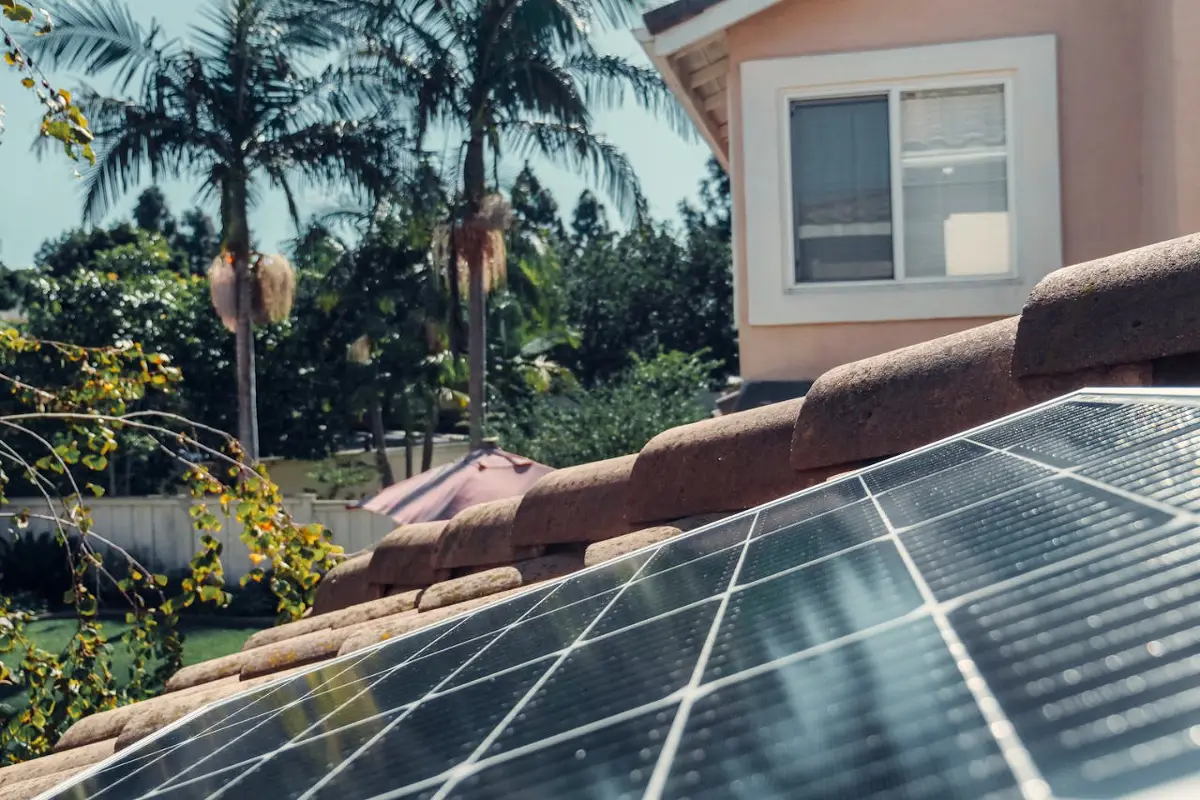
Let us give you the straight numbers. Here’s what a real 10kW home solar system costs and what you actually get back.
Cost Breakdown (Pre and Post Tax Credit)
Total solar installation costs US homeowners face run $2.50 to $3.50 per watt for a complete system. That includes panels, inverter, mounting hardware, wiring, and labor.
For a typical 10kW system, costs are often in the range of $25,000 to $35,000. Federal residential solar incentives for direct homeowner purchases may no longer apply under current rules, depending on installation timing and eligibility.
According to the U.S. Department of Energy, if you finance through a Solar Lease or PPA, the system owners claim the federal credit and “pass the value along to you in the form of a cheaper bill.“
That is a massive difference in your monthly ROI. Plus, that’s before any state-level rebates or utility incentives, which can knock off another $2,000 to $5,000 depending on where you live.
ROI by State (CA vs TX and More)
Payback periods vary a lot by state. It depends on electricity rates, sunlight hours, and available incentives. California and Florida pay back fastest thanks to high sun and high utility costs.
Here’s a quick state-by-state breakdown for a 10kW system:
| State | Avg System Cost (10kW) | After State/Local Rebates | Annual Savings | Payback Period | Lifetime Savings |
|---|---|---|---|---|---|
| California | $30,000 | $27,500 | $3,200 | ~8.5 Years | $95,000 |
| Texas | $27,500 | $25,500 | $2,500 | ~10 Years | $85,000 |
| Arizona | $26,000 | $24,000 | $2,400 | ~10 Years | $70,000 |
| New York | $32,000 | $24,000 | $2,200 | ~11 Years | $55,000 |
| Florida | $25,000 | $23,500 | $1,900 | ~12 Years | $65,000 |
Over a 25–30 year system life, most US homeowners save between $55,000 and $95,000. In high-rate states like California, those utility offsets regularly exceed $100,000—substantial long-term savings. According to the ConsumerAffairs 2026 Solar Cost Report, these massive long-term returns are the primary reason residential solar demand in the USA continues to hit record highs.
Federal & State Solar Incentives
Federal solar incentives operate under different structures depending on ownership type. In some third-party ownership models, providers may benefit from commercial tax incentives and reflect those savings in customer pricing. Homeowner eligibility for direct tax credits depends on current federal policy, installation timing, and ownership structure.
In a solar lease or PPA, the provider claims the federal credit and passes the savings to you via $0-down installation and locked-in lower monthly power rates. According to IRS 2026 Guidance, this transition to the Section 48E credit for leased systems is now the primary pathway for residential federal incentives.
There are extra wins for the providers that benefit you, too. Systems using US-made components (like Qcells, Silfab, or Mission Solar) qualify for an additional 10% Domestic Content Adder. This allows leasing companies to offer even more competitive rates to homeowners who choose American-made gear—strengthening the US supply chain while padding your wallet.
State-Level Power Moves
State programs provide the “extra stack” that makes the math work:
- California: The SGIP offers substantial battery rebates. Since NEM 3.0 reduced export credits by roughly 75%, pairing solar with battery storage is now one of the most effective ways to improve long-term ROI.
- New York: Homeowners can currently grab a 25% state tax credit (capped at $5,000). Keep an eye on Assembly Bill A1373—there is a major 2026 push to double that cap to $10,000 and make the credit refundable for low-to-moderate-income households.
The US incentive stack is still a powerhouse—lock in your rates now before local utility policies shift again.
Step-by-Step Home Solar Installation Guide
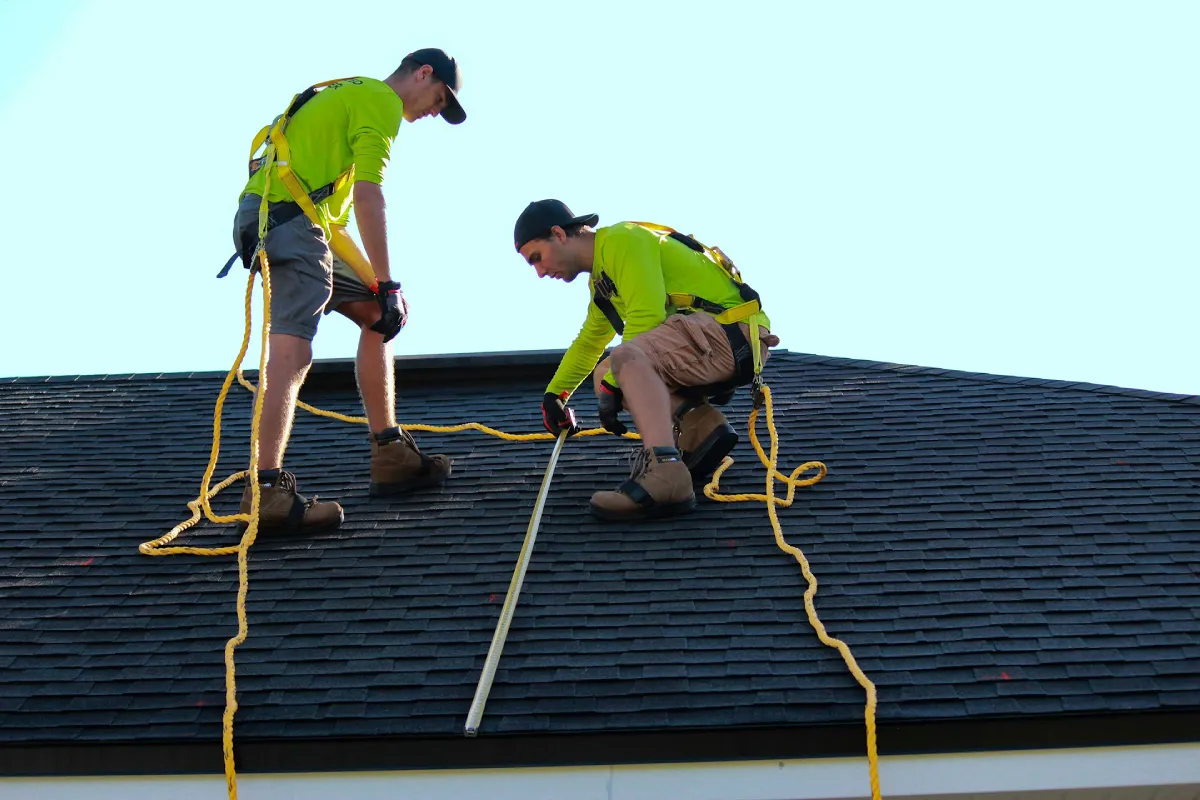
Going solar feels overwhelming at first, but it’s actually simpler than buying a car. Here’s the process broken down into three clear steps.
Step 1: Assess Your Roof & Energy Needs
Start by pulling 12 months of electricity bills. You need to know your annual kWh usage. You can plug this into a modern tool like the EnergySage Solar Calculator to instantly size your system.
Next, check your roof. South-facing roofs typically provide the best solar exposure in the US, but east or west exposures still work great—you’ll just need an extra panel or two to hit the same output.
Pro Tip: Your roof should have at least 10 to 15 years of life left. If it’s nearing retirement, replace it before the solar goes on. According to Forbes Home, removing and reinstalling a solar array for a roof repair currently costs between $3,000 and $8,000, which can totally kill your ROI.
Step 2: Choose a NABCEP-Certified Installer
Not all solar installers are equal. Look for NABCEP (North American Board of Certified Energy Practitioners) certification. This is widely recognized across the solar industry.
We recommend getting at least 3 to 4 quotes through a marketplace like EnergySage. Prices can vary by 20% or more for the exact same equipment. A major red flag is an installer who only offers one brand of panels. A true pro will give you options based on your budget and roof.
Step 3: Permits & Timeline
The actual installation only takes 1 to 3 days, but the “behind-the-scenes” work takes longer. Your installer handles the permits, but the total time from signing a contract to turning on the power usually takes 6 to 16 weeks.
The biggest delay is often waiting for the Utility Company to approve the connection, especially in busy spots like California or the Northeast. Once the city inspector signs off and the utility company gives the green light, you flip the switch and start saving money from day one.
It’s also important to understand what actually happens during a grid outage and whether your solar system keeps running.
Pros, Cons & Common Mistakes
The pros are clear:
- Slash your electric bill by 50-90%
- Lock in a fixed energy cost for 25+ years
- Add $40,000–$80,000 to your home’s value
- Reduce your carbon footprint significantly
- Potentially lower energy costs through third-party ownership structures (depending on contract terms and available incentives)
But watch out for these common mistakes:
- Undersizing your system — always size for future EV or HVAC use
- Ignoring shading — even partial shade kills panel output
- Choosing the cheapest quote — check installer reviews and panel quality
- Skipping battery storage — essential for TOU rates or outages, especially if you’re comparing the best portable power stations for home backup and peak-hour usage
- Not checking your roof condition before installing
Maintenance is simple: Rinse panels with a garden hose 1-2 times per year. Monitor your system output monthly via the inverter app. A well-maintained system will outlast its warranty.
Disclaimer: Smart Energy Edge provides informational research for educational purposes only. This content does not constitute tax, legal, financial, or investment advice. Energy savings, utility costs, incentives, and product performance vary by location, usage, utility policies, and product configuration. Homeowners should consult energy professionals before making major home energy decisions.
Frequently Asked Questions
What is the most efficient home solar panel in 2026?
The current efficiency leaders are the Aiko Neostar 3P54 (25.0%) and Recom Black Tiger (24.8%). However, for most US homes, the Maxeon 7 (24.1%) is a strong choice. It combines high-efficiency performance with a 40-year warranty and broad installer support.
Do solar panels increase home value?
Yes. Studies in multiple U.S. housing markets suggest that owned solar systems can increase home resale value, although results vary based on location, electricity rates, system ownership, and market conditions.
What are the best solar panels for shaded roofs?
Go with the Maxeon 7 or REC Alpha Pure-RX. For the best results, pair them with microinverters (like the Enphase IQ8). This setup helps reduce the impact shading on one panel can have on the electricity production of the overall system.
What are the solar panel warranties should I look for?
At a minimum, look for 25 years of coverage for both the product and its power output. Maxeon offers a 40-year warranty, while brands like REC, Silfab, and Canadian Solar offer 25 to 30-year protection.
Is the federal solar tax credit still available?
For homeowners buying systems with cash or a loan, the direct tax credit expired at the end of 2025. However, some Solar Lease or PPA providers may still qualify for applicable federal commercial energy incentives under Section 48E. In these cases, providers may reflect some savings through lower monthly payments or installation costs.