
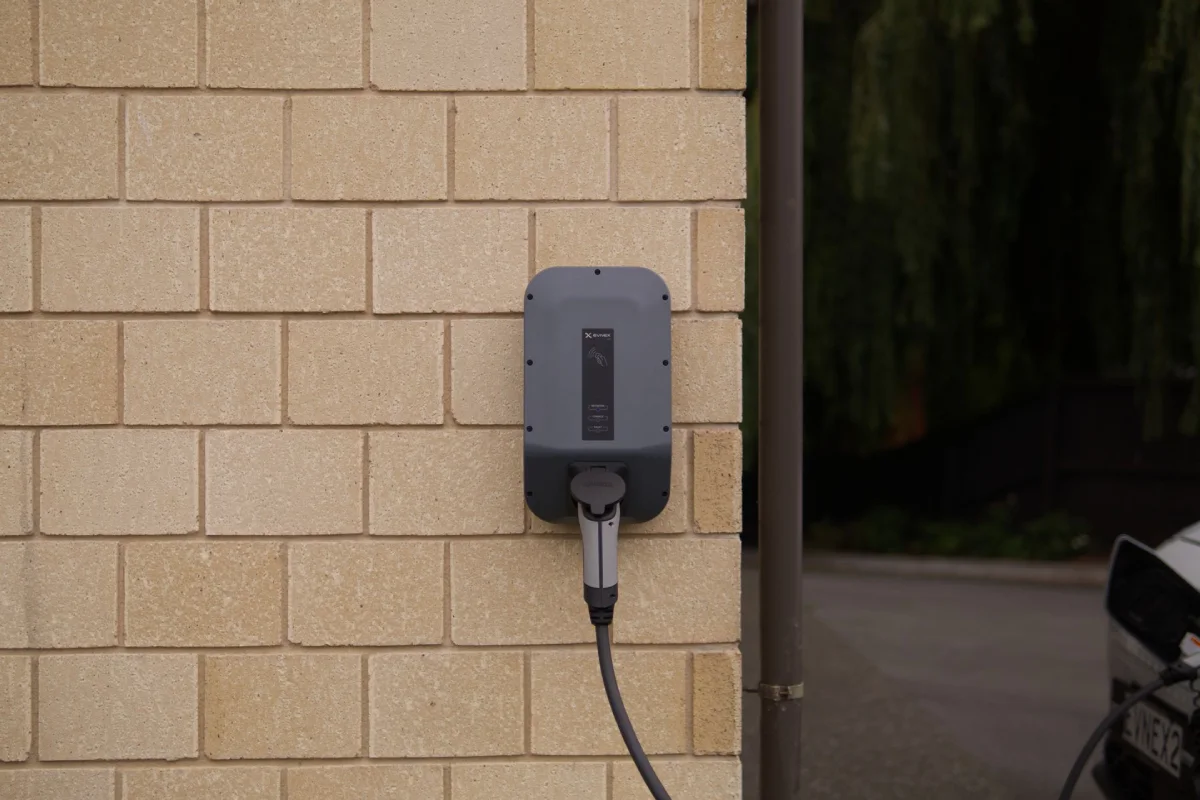

Important: Federal EV charging incentives are subject to legislative changes and IRS guidance. Verify current eligibility requirements and expiration dates before making installation decisions.
Most homeowners type “home EV charger cost” into Google and get a number like “$400–$1,000.”
That number is almost always wrong. Real-world contractor invoices commonly range from $280 to over $6,000 for comparable installations. The difference? Electrical panel capacity, wire distance, local permits, and whether your walls are already open.
This guide breaks down the real costs behind a home EV charger installation and explains why published averages often miss the mark.
Let’s start with what actually drives your bill.
Key Takeaways
- Home EV charger installation costs can range from $280 to $6,500+, depending on your home’s electrical setup and installation requirements.
- The biggest cost drivers are electrical panel capacity, wiring distance, permits, and installation complexity.
- Homes with older 100-amp panels may require a load calculation and, in some cases, an expensive service upgrade.
- Smart load management systems can sometimes help homeowners avoid a costly panel upgrade.
- Hardwired chargers are often the better long-term choice because they can support faster charging and require fewer components.
- Before scheduling installation, get multiple quotes, verify available incentives, and confirm permit requirements to avoid unexpected costs.
Electrical capacity determinations should be based on a formal load calculation performed by a qualified electrician, not solely on the panel’s breaker rating.
Table of Contents
- Key Takeaways
- Real Home EV Charger Installation Cost in 2026 Explained
- Why Electrical Panel Capacity Is So Important for EV Charging
- How Installation Layout and Wiring Distance Affect Overall Cost
- NEMA 14-50 vs Hardwired Chargers: Which Makes More Sense?
- Permits, Inspections, and Finding a Qualified Installer
- Emergency Tax Strategy: Stacking Incentives Before the Deadline
- Frequently Asked Questions
Real Home EV Charger Installation Cost in 2026 Explained
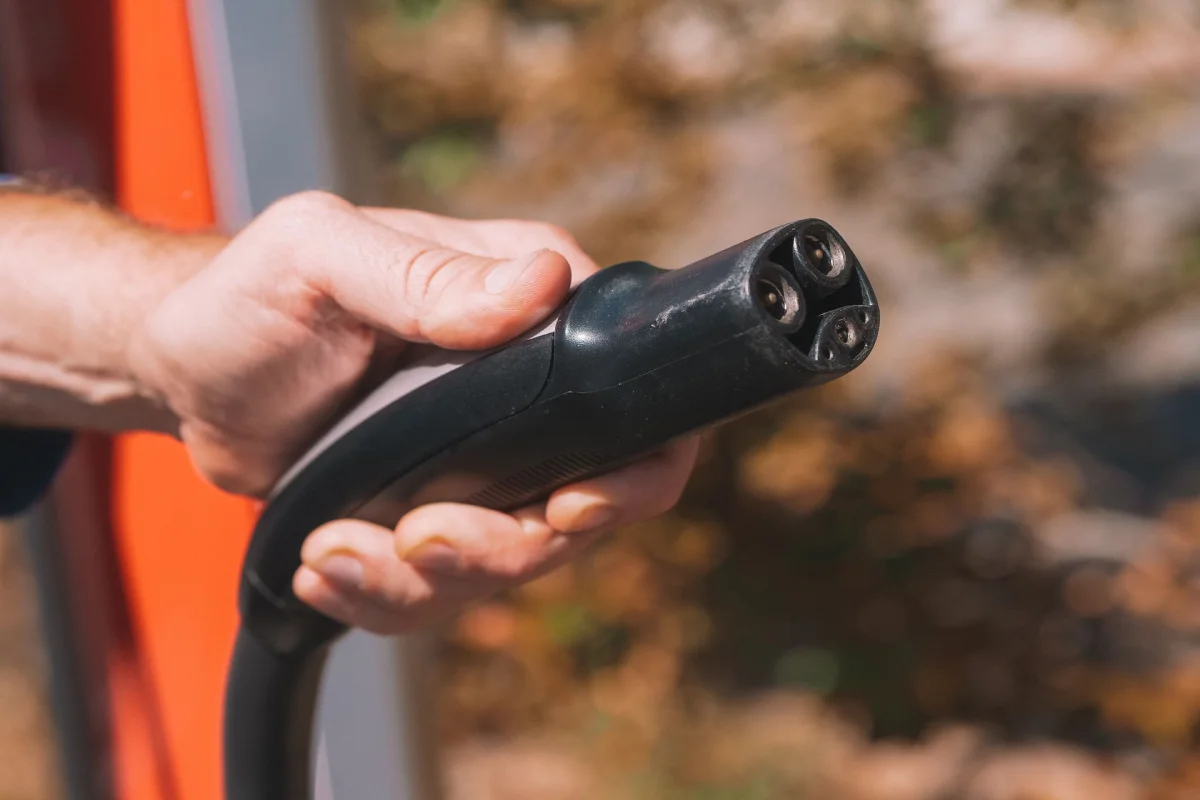
Why “Average Home EV Charger Cost” Is Misleading for Most Homes
Every major website quotes a national average. We get it — it’s easy. But averages hide everything that matters.
Here’s the problem: a homeowner in Phoenix with a panel right next to their garage pays $350. A homeowner in Chicago with a finished basement and a 60-foot wire run pays $2,200. Both get the same charger.
The average of those two jobs is $1,275. But neither homeowner actually paid $1,275.
Based on installation cost benchmarks published by the U.S. Department of Energy’s Alternative Fuels Data Center, EV charger installation costs vary widely depending on site conditions, labor requirements, permitting, and electrical upgrades, with residential Level 2 installations commonly ranging from several hundred to a few thousand dollars depending on complexity.
Your final bill is almost entirely determined by five things:
- Your electrical panel’s current capacity
- The distance from your panel to the charging spot
- Whether walls, ceilings, or ground need to be opened
- Your local permit fees
- Whether you choose a plug-in outlet or a hardwired connection
Get clear on those five factors first. Then the number starts to make sense.
Common Types of Installations and How Pricing Changes
Think of EV charger installation in three tiers. Here’s what each one typically looks like:
| Tier | Scenario | Estimated Total Cost |
|---|---|---|
| Basic | Panel nearby, open garage wall, no upgrades needed | $280 – $650 |
| Complex | 30–60 ft wire run, minor drywall work, standard permit | $900 – $1,800 |
| Heavy-Duty | Panel upgrade required, long conduit run, trenching, or concrete drilling | $2,500 – $6,500+ |
Based on contractor pricing and industry invoice reviews, many homeowners report costs in the $800–$1,600 range, although actual costs can vary significantly by location and installation requirements. But many are surprised by unexpected panel or conduit costs.
That’s exactly what this guide helps you avoid.
Level 2 Charger Installation Cost Breakdown (Hardware, Labor, and Administrative Fees)
Here’s where the money typically goes on a home EV charger installation.
Hardware Costs (what you pay for the charger itself):
| Item | Typical 2026 Cost |
|---|---|
| Level 2 EV charger (basic hardwired) | $150 – $350 |
| Level 2 smart charger (app-controlled) | $300 – $600 |
| 50-amp double-pole breaker | $25 – $75 |
| 6 AWG copper wire (per 10 feet) | $18 – $35 |
| Conduit and fittings | $40 – $120 |
| Wall mounting hardware | $10 – $30 |
Labor Costs (what the electrician charges):
| Task | Typical 2026 Cost |
|---|---|
| Basic install (panel nearby, open wall) | $150 – $350 |
| Standard install (30–50 ft run) | $300 – $600 |
| Complex install (finished walls, long run) | $600 – $1,200 |
| Panel upgrade (if required) | $1,500 – $4,500 |
Administrative Fees:
| Item | Typical 2026 Cost |
|---|---|
| Local permit fee | $50 – $250 |
| Inspection fee (where required) | $50 – $150 |
| Electrician travel/service fee | $50 – $100 |
Now let’s get into the biggest cost driver of all — and the one most homeowners don’t see coming.
Why Electrical Panel Capacity Is So Important for EV Charging
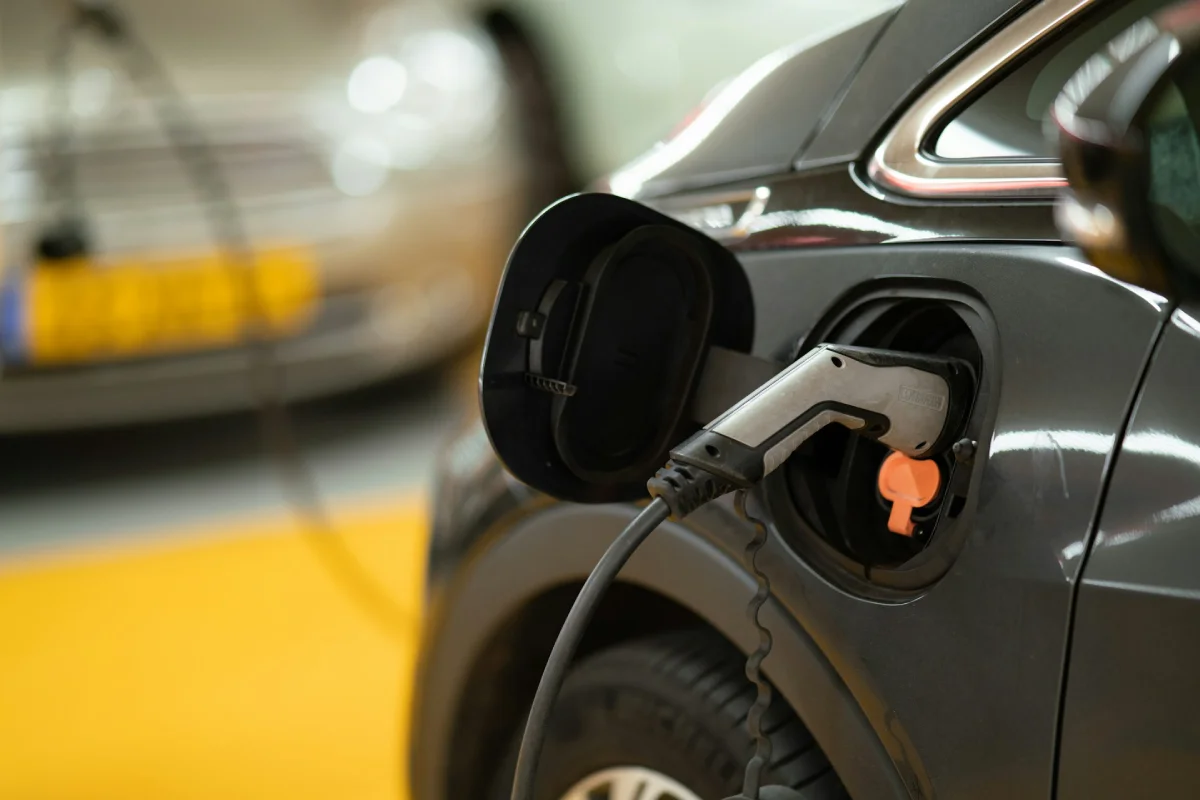
Can Your Existing Panel Safely Handle a Level 2 Charger?
A Level 2 charger running at 40 amps draws power continuously — not in short bursts. The National Electrical Code (NEC) requires that continuous loads only use 80% of a breaker’s rated capacity. So a 40-amp draw needs a 50-amp breaker.
Now here’s where it gets real.
A 100-amp panel is common in homes built before the 1980s. By the time you count your HVAC, electric water heater, kitchen appliances, and lighting, most of that capacity is already committed. Adding a 50-amp EV charging circuit may require a professional load calculation to determine whether sufficient electrical capacity is available.
👉 For a full walkthrough of panel requirements and installation steps, see the EV Charger Installation Guide
In most homes, EV charging is competing with the biggest household electricity loads. For a deeper breakdown of which appliances consume the most energy, see What Uses the Most Electricity in a Home?
Quick check: Look at your main breaker. If it says “100A,” ask your electrician to do a load calculation before quoting the install. You may have just enough headroom — or you may not.
Many homes with modern 200-amp service can accommodate EV charging, but suitability depends on the home’s total electrical load and should be verified by a qualified electrician.
When a 200-Amp Service Upgrade is Mandated
If your panel can’t safely absorb the charger load, you face a service upgrade. For many homeowners, a service upgrade is the largest unexpected cost associated with EV charger installation.
A full 100-amp to 200-amp service upgrade involves:
- Replacing the main panel and breaker
- New meter base (often required by the utility)
- Updated grounding and bonding
- Utility company coordination (adds days or weeks)
- Permit and inspection
Costs range widely. In the Midwest and South, expect $1,500–$2,500. On the coasts or in high-labor markets like California or New York, the same job can run $3,500–$4,500 or higher.
Here’s the frustrating part: some electricians quote just the charger install. Then they “discover” the panel issue on installation day and tack on thousands. Always ask upfront: “Will you do a load calculation before quoting?”
If they can’t answer that question clearly, get another quote.
Options That Can Help Avoid Expensive Electrical Upgrades
Here’s some genuinely good news. You may be able to avoid a full panel upgrade — and save thousands — by using a smart energy management system.
These devices work by watching your home’s total energy use in real time. When your dryer, HVAC, or oven kicks on, the charger automatically dials down its output. When those loads stop, charging speeds back up. The result: your panel never gets overloaded.
EV charging can significantly increase household electricity usage, especially in homes already seeing rising energy costs. This is closely tied to broader trends discussed in Why Is My Electricity Bill So High?
Smart Load Management Options That Can Help Avoid Panel Upgrades
Some homeowners reduce or even avoid costly panel upgrades by using load management EV charging systems. These systems dynamically adjust charging speed based on overall household electricity usage.
For example, energy-monitoring setups like Emporia Level 2 chargers paired with home energy monitors (such as Vue-style monitoring systems) can reduce charging load when appliances like HVAC or ovens are running.
Similarly, smart chargers such as ChargePoint Home Flex allow adjustable amperage settings and scheduled charging during off-peak hours, which can help stay within existing panel capacity in some homes.
In many cases, these solutions cost significantly less than a full electrical service upgrade, but suitability depends on a professional load calculation.
How Installation Layout and Wiring Distance Affect Overall Cost
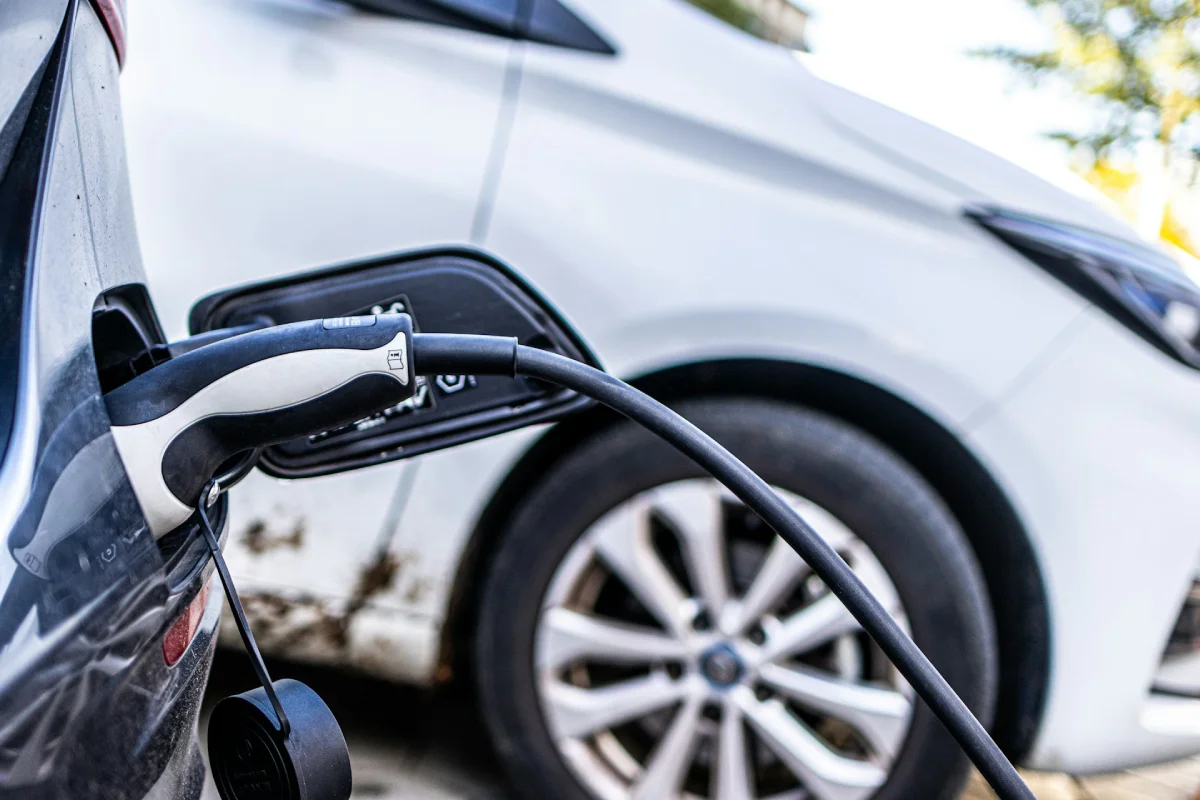
The Per-Foot Reality of 6 AWG Copper Wiring vs. Aluminum Alternatives
Every foot of wire between your panel and your charger costs money. Electricians don’t just charge for the wire — they charge for the time to pull it, protect it, and secure it properly.
For most residential EV charger installations, electricians commonly use 6 AWG copper conductors for 40-amp charging circuits. Higher-output 48-amp chargers often require heavier conductors, particularly on longer runs.
Wire cost comparison:
| Wire Type | Size | Cost Per Foot (2026) |
|---|---|---|
| 6 AWG copper | Standard for 40A | $1.80 – $3.50 |
| 4 AWG copper | For 48A max | $2.50 – $4.50 |
| 4 AWG aluminum | Budget alternative | $0.80 – $1.50 |
Aluminum wire is cheaper, but it requires anti-oxidant compound, proper connectors, and careful torquing at every connection. It’s perfectly code-compliant when installed correctly. Just make sure your electrician is familiar with aluminum wiring practices.
A 30-foot wire run adds roughly $55–$105 in wire material alone. Add labor, conduit, and hardware, and a 30-foot run typically costs $200–$400 more than a back-to-back install.
Dream Scenarios: Back-to-Back Garage Installations
The cheapest possible EV charger install looks like this:
Your electrical panel is in the garage, or on the other side of a wall from the garage. The garage wall is unfinished. The panel has an open breaker slot.
In this situation, the electrician can run a short length of wire directly through the open studs, mount the charger, and be done in 2–3 hours.
In favorable conditions, these installations can sometimes be completed for as little as $280–$450 total, including the charger unit, breaker, and labor. If your installation matches this scenario, you’re likely at the lower end of the cost range.
To check: Go look at your panel right now. Is it in or adjacent to your garage? Is the wall unfinished drywall or bare studs? If yes to both, your install is likely on the low end of the cost range.
When Installation Becomes More Complex and Expensive
At the other end of the spectrum are installations that require significant additional work.
Finished drywall: If wire has to run through finished walls or ceilings, the electrician either fishes wire through (slow and sometimes impossible) or cuts drywall open. Expect $150–$400 in extra labor, plus potential drywall repair costs ($100–$300 if you hire it out).
Core drilling through concrete or brick: Some homes, especially older construction, have concrete block walls or brick between the panel and garage. Core drilling adds $150–$350 per hole.
Underground trenching: If your charger needs to go on an outdoor pad, a detached garage, or a driveway charging post, the wire may need to run underground. Trenching typically costs $5–$15 per linear foot, plus conduit and backfill. A 50-foot trench run easily adds $400–$900 to the job.
Combination nightmare: Finished basement + concrete wall + 60-foot run. In particularly challenging installations, labor costs alone can reach $2,000–$3,500 before the charger unit or panel upgrades are included.
The fix? Know your home’s layout before you call. Walk the route from your panel to your intended charger location. Count the obstacles. Then ask your electrician specifically about those obstacles when you get quotes.
NEMA 14-50 vs Hardwired Chargers: Which Makes More Sense?
Why Plug-In Installations Can Sometimes Cost More
A lot of homeowners want a NEMA 14-50 outlet installed instead of a hardwired charger. The thinking is: it’s flexible, and you can use any compatible EV charger with it.
That flexibility comes with a hidden cost under current NEC 2023 rules.
NEMA 14-50 outlets installed in garages or outdoor locations require GFCI (Ground Fault Circuit Interrupter) protection. Standard GFCI breakers for 50-amp circuits aren’t cheap. Expect to pay $80–$180 just for the GFCI breaker — roughly 3–6x the cost of a standard double-pole breaker.
Some areas are still under older NEC versions and may not require GFCI for 240V garage circuits. But many jurisdictions adopted NEC 2023 in 2024 and 2025. Your electrician should know the local code. If they don’t, that’s a red flag.
Cost impact of outlet vs. hardwired:
| Approach | Extra Component Cost | Notes |
|---|---|---|
| NEMA 14-50 outlet | +$80–$180 (GFCI breaker) | Required in most jurisdictions now |
| Hardwired | Standard 50A breaker: $25–$75 | No outlet needed |
Advantages of Hardwired Charging Systems (48A vs 40A)
Here’s something many articles don’t tell you: a hardwired charger can deliver more power than a plug-in one.
NEMA 14-50 outlets are rated for 50 amps. But for safety, they’re limited to 40 amps of continuous draw (80% rule). That means your plug-in charger maxes out at 40 amps, giving you roughly 30 miles of range per hour of charging.
A hardwired charger connected to a 60-amp breaker can deliver up to 48 amps continuously. That’s a meaningful speed increase — about 37 miles of range per hour. For drivers with longer daily commutes, that difference adds up.
Hardwired installations are also generally more secure. There’s no outlet to loosen, corrode, or arc over time. The connection is solid and permanent.
The only downside: if you move, you can’t take a hardwired unit without an electrician removing and capping the wires. A plug-in charger unplugs in seconds.
Portability vs. Performance: Tracking Long-Term Maintenance Costs
Over 5–7 years of ownership, which option actually costs less?
Plug-in (NEMA 14-50) long-term factors:
- Outlet connections can loosen with repeated plug/unplug cycles
- Outdoor or garage GFCI breakers require occasional testing and replacement ($80–$180 if it trips and fails)
- Portable charger can move to a new home with you (saves $0–$500 on installation at next home)
Hardwired long-term factors:
- No outlet maintenance needed
- Charger itself may need replacement if damaged (requires electrician to remove and reinstall: $100–$250 labor)
- The practical difference is primarily charging speed rather than battery longevity.
For most homeowners who plan to stay in their home more than 3 years, hardwired is the better long-term value. The performance gains and reduced maintenance offset the small flexibility premium.
Permits, Inspections, and Finding a Qualified Installer
Local Municipal Permitting Fees and the Financial Risk of Code Violations
Most states and municipalities require a permit for a 240V electrical installation. EV charger installs fall under this requirement in the vast majority of jurisdictions.
Permit costs vary widely:
| Location Type | Typical Permit Fee |
|---|---|
| Rural county | $35 – $75 |
| Mid-size city | $75 – $175 |
| Major metro area | $150 – $350 |
| California (varies by city) | $100 – $400+ |
Some electricians include permit fees in their quotes. Others charge separately. Always ask: “Does your quote include the permit fee?”
The real financial risk isn’t the permit cost — it’s what happens if you skip it. An unpermitted install can trigger issues when you sell your home. A home inspector can flag it. The buyer’s lender may require it to be removed or properly permitted before closing. That can cost $300–$800 to fix at exactly the wrong moment.
How Unpermitted DIY Installs Can Create Insurance Risks
This is not theoretical. It happens.
Unpermitted electrical work can complicate insurance claims and may affect coverage depending on policy language, local regulations, and the circumstances of a loss.
The same risk applies to DIY installs. Installing a 240V circuit yourself without the required permit and inspection is a significant liability in most states.
Some EV-friendly states like California have streamlined the permit process specifically for EV charger installs. Many California jurisdictions now offer streamlined or online approval processes for qualifying EV charger installations. Other states are following.
Check your local building department’s website. You may be able to pull the permit yourself and perform the installation as a homeowner, subject to local requirements. When in doubt, hire a qualified electrician and make sure they pull the permit themselves.
Vetting EVITP Contractors Without Falling for Inflation Scams
The EV Infrastructure Training Program (EVITP) is a training curriculum specifically for EV charger installers. Electricians who have completed EVITP coursework understand EV-specific load calculations, charger compatibility, and best practices beyond standard electrician training.
You can search for EVITP-trained electricians through the EVITP directory. Many utilities and charger manufacturers also maintain installer directories.
How to avoid getting overcharged:
- Get three quotes. EV charger installs are competitive right now. A second or third quote often comes in 20–35% lower.
- Ask each electrician to itemize the quote (labor, materials, permit, charger unit). Vague single-line quotes are a warning sign.
- Ask specifically about panel capacity before booking. If they won’t commit to a load calculation before quoting, walk away.
- Be wary of “deal of the day” pricing from door-to-door EV charger installers. These programs sometimes lock you into overpriced hardware with thin warranties.
Electrician labor rates have risen in many U.S. regions since 2022, based on wage and employment data from the U.S. Bureau of Labor Statistics and industry reporting from the National Electrical Contractors Association, reflecting ongoing skilled labor shortages in the construction sector.
Emergency Tax Strategy: Stacking Incentives Before the Deadline
The June 30, 2026 Federal Section 30C Expiration: Tracking Your Placed-in-Service Date
Incentives can materially affect the total cost of ownership, so it’s worth reviewing available programs before scheduling an installation.
Homeowners should verify current eligibility requirements before relying on any tax benefit.
The federal Alternative Fuel Vehicle Refueling Property Credit (Section 30C), if available under current law and eligibility rules, may allow eligible homeowners to claim a tax credit equal to 30% of qualified EV charger and installation costs, up to a maximum credit of $1,000.
This is a tax credit—not a tax deduction—meaning it directly reduces the amount of federal income tax owed, subject to applicable rules and limitations.
Under current law, the credit is scheduled to expire for property placed in service after June 30, 2026.
Homeowners should retain documentation related to the installation, such as invoices, permits, and inspection records, to support any credit claim.
For a full breakdown of eligibility rules and how to claim the credit, see EV Charger Tax Credit: June 30 Deadline, How to claim it.
What this means practically:
If you book an installation in June 2026, you’re cutting it extremely close. Permit processing alone can take 1–3 weeks in many cities. Utility coordination for panel upgrades can add several more weeks, and electrician availability may tighten as demand increases closer to the deadline.
How much could you save?
| Installation Scenario | Total Cost | 30% Credit | You Pay |
|---|---|---|---|
| Basic install | $600 | $180 | $420 |
| Mid-range install | $1,400 | $420 | $980 |
| Complex install | $3,000+ | $1,000 (max) | $2,000+ |
Stacking Local Utility Rebates, Free Charger Programs, and EV-Specific Time-of-Use (TOU) Rates
The federal credit is just the start. Stacking other incentives on top can dramatically cut your out-of-pocket cost.
Utility rebates: Many utility companies offer rebates of $100–$500 for installing a Level 2 charger, especially if you enroll in a demand response or managed charging program. Check your utility’s website or call their EV program line. Notable programs include:
- PG&E (California): Up to $500 rebate + reduced TOU rates
- Xcel Energy (CO/MN): $500 charger rebate for qualifying models
- Duke Energy (Southeast): $200–$350 rebates depending on charger model
- Con Edison (New York): Managed charging programs with installation discounts
Use the AFDC Alternative Fuels Station Locator and the DSIRE database to find state and utility incentives specific to your zip code.
Free charger programs: Some utilities actually provide Level 2 chargers at no cost when you enroll in a managed charging program. You agree to let them slightly limit charging speed during peak demand periods (usually between 4–9 PM). In exchange: free hardware worth $300–$600. You still pay installation labor, but the charger unit cost disappears entirely.
Time-of-use (TOU) rate enrollment: If your utility offers TOU rates, enrolling can cut your monthly charging cost by 30–60%. The typical EV driver adds 300–500 kWh per month. At an off-peak rate of $0.08/kWh vs. a peak rate of $0.28/kWh, you could save $60–$100 per month just by scheduling charging for overnight hours. Smart chargers like the ChargePoint Home Flex and Emporia Level 2 handle this scheduling automatically.
IRS Form 8911 Bookkeeping: What Documentation You Must Save Right Now
To claim the Section 30C credit, you’ll file IRS Form 8911 with your federal tax return. Here’s exactly what documentation you need:
Save these documents immediately after installation:
| Document | Why You Need It |
|---|---|
| Electrician’s final invoice (itemized) | Proves total cost of hardware + labor |
| Payment receipt or bank/card statement | Confirms you actually paid |
| Permit approval or sign-off document | Confirms work was inspected and approved |
| Charger model number and purchase receipt | Identifies qualifying equipment |
| Installation completion date (on invoice) | Confirms “placed in service” before June 30, 2026 |
One key point: The charger must be installed at your primary residence or a secondary residence in the U.S. that you use personally. It cannot be a rental property you don’t live in.
Your tax preparer will complete Form 8911 when you file your return. Having all documents organized in a single folder — physical or digital — will make that process fast and error-free.
Methodology: Cost ranges in this guide are based on contractor pricing data, manufacturer pricing, utility program information, publicly available market surveys, and residential EV charger installation estimates reviewed between 2024 and 2026. Actual costs vary by location, permitting requirements, labor rates, and site conditions.
The Electric Vehicles & Charging team has tracked EV charger costs, installation trends, and utility incentive programs since 2021. We analyze contractor pricing data, manufacturer information, utility program details, and publicly available installation cost reports to provide accurate, up-to-date information.
Disclaimer: Smart Energy Edge provides informational research for educational purposes. This content does not constitute tax, legal, or investment advice. Incentives, tax treatment, and savings vary by location, utility policy, system design, and regulatory changes. Homeowners should consult qualified electrical, permitting, or installation professionals before making EV charger installation decisions.
Frequently Asked Questions
How much does it really cost to install a Level 2 EV charger at home?
Most homeowners typically pay $700–$1,800 for a complete installation. Simple installs can come in under $500, while jobs involving long wire runs, finished walls, trenching, or panel upgrades can reach $3,000–$6,500+.
Can I install a Level 2 EV charger on a 100-amp panel?
Sometimes. It depends on your home’s existing electrical load. If capacity is limited, a smart load-management system may help avoid a full panel upgrade.
Is a NEMA 14-50 outlet or a hardwired charger better?
For many homeowners, hardwired is the better option. It supports faster charging (up to 48A), requires less maintenance, and avoids outlet-related issues. A NEMA 14-50 setup offers more flexibility if you plan to move or swap chargers later.
Does a home EV charger installation require a permit?
Usually, yes. Most U.S. jurisdictions require a permit for a new 240V circuit. Skipping permits can create insurance, liability, and home-sale complications. Always verify local requirements before starting work.
What is the federal EV charger tax credit in 2026?
Under current federal law, eligible homeowners may claim a tax credit equal to 30% of installation costs, up to $1,000. Incentive rules and deadlines can change, so verify current IRS guidance before making installation decisions.